
Mental Health in Marginalized Communities: Why Representation Matters
/
Mental health doesn’t exist in a vacuum. It’s shaped by the world we live in—by our histories, our access to care, the systems we navigate, and how seen and safe we feel when we ask for support.
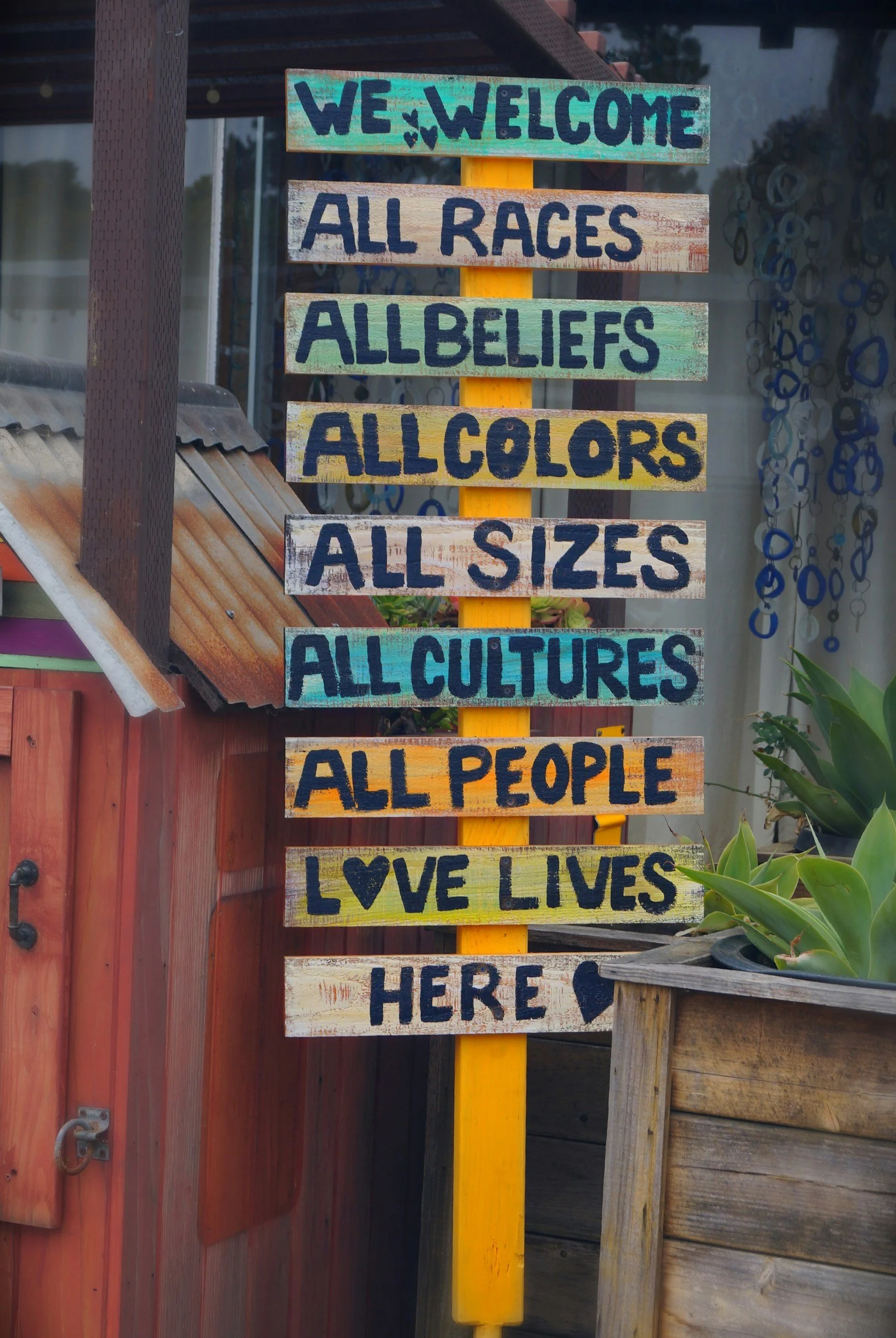
For people in marginalized communities—whether due to race, gender identity, sexuality, disability, or immigration status—mental health challenges often go unspoken, misdiagnosed, or unmet altogether. The stigma is compounded. The barriers are real. And too often, the spaces that claim to offer healing don’t reflect the people who most need to be heard.
Read More