
Rethinking New Year’s Resolutions: A Kinder Approach to Growth

Rethinking New Year’s Resolutions: A Kinder Approach to Growth

Every January, we’re surrounded by messages telling us to change: be more productive, eat better, work harder, do more. While New Year’s resolutions are meant to inspire growth, they can sometimes create pressure, guilt, or a sense of failure—especially when life doesn’t go according to plan.

What if this year, we approached resolutions differently? What if they supported our mental health instead of challenging it?

Read More
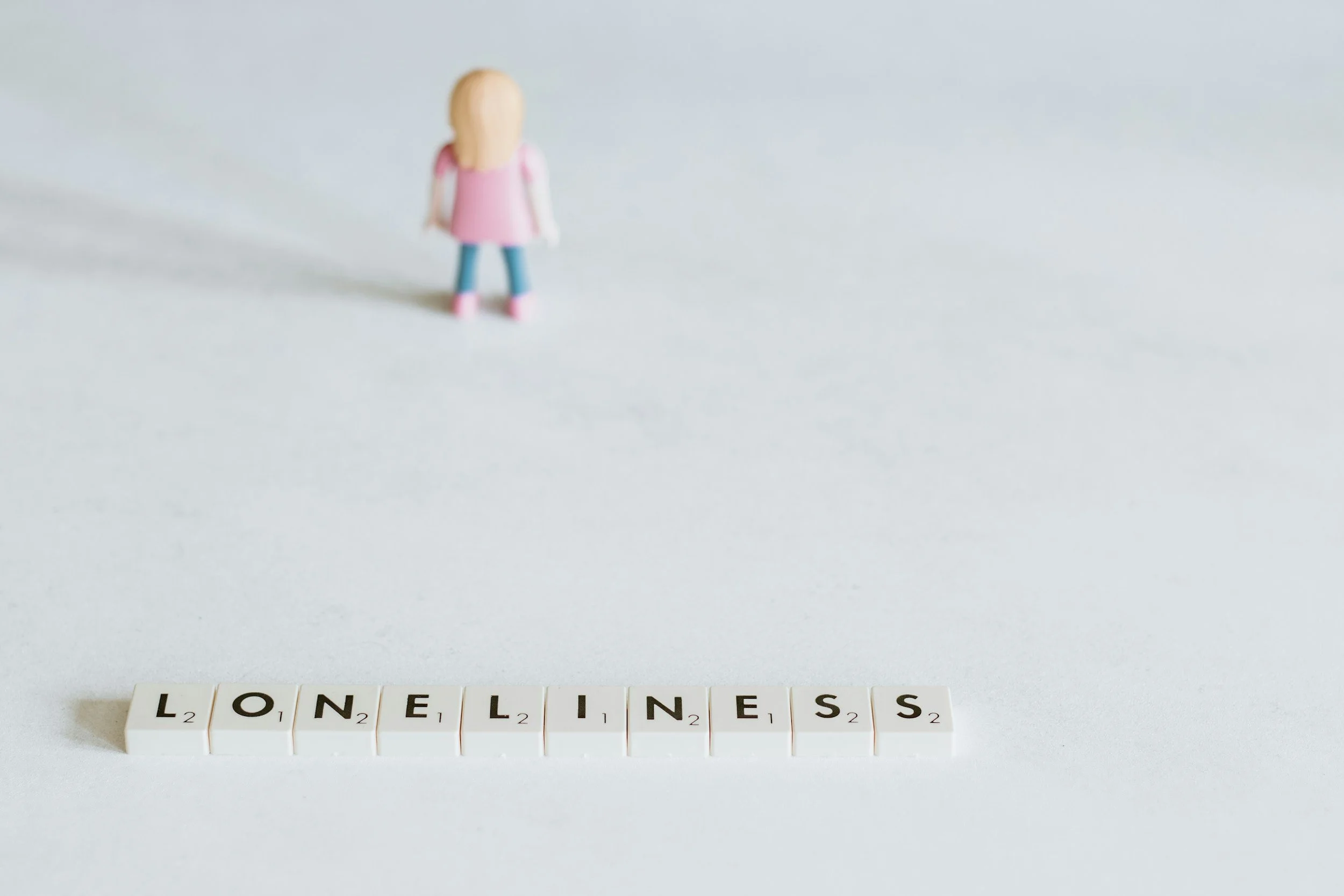

Navigating Feelings of Loneliness: You’re Not as Alone as You Think

Navigating Feelings of Loneliness: You’re Not as Alone as You Think

Loneliness is a deeply human experience. It can show up even when we’re surrounded by others, active online, or keeping busy. Feeling lonely doesn’t mean something is wrong with you—it means you’re human and longing for connection, understanding, or belonging.

For many people, loneliness can feel confusing or even shameful. But acknowledging it is an important first step toward caring for your mental health.

Read More

The Quiet Side of the Holidays: Making Space for Your Mental Health

The Quiet Side of the Holidays: Making Space for Your Mental Health

The holiday season is often described in loud terms—joyful, busy, magical. But for many people, this time of year feels quieter in a heavier way. Beneath the decorations and traditions, emotions can surface that don’t usually have room during the rest of the year. Sadness, anxiety, grief, and even numbness often show up uninvited, asking to be acknowledged rather than pushed aside.

The pressure to feel grateful or happy can make these emotions feel inappropriate, yet they are a natural response to reflection, change, and memory.

Read More

When Self-Care Isn’t Enough: Understanding Emotional Burnout

When Self-Care Isn’t Enough: Understanding Emotional Burnout

Self-care has become a popular solution for stress, often framed as bubble baths, time off, or learning to say no. While these practices can be helpful, they don’t always address the deeper emotional exhaustion many people experience. When rest doesn’t feel restorative and motivation feels out of reach, you may be experiencing emotional burnout.

Burnout isn’t just about being busy. It’s about feeling chronically overwhelmed, emotionally depleted, and disconnected from yourself or others. It can show up as irritability, numbness, difficulty concentrating, or a sense that even small tasks feel heavy.

Read More

How to Ask Loved Ones for Help (Even When It Feels Impossible)

How to Ask Loved Ones for Help (Even When It Feels Impossible)

Asking for help is one of the most human things we can do, yet for many of us, it’s also one of the hardest. Whether it’s emotional support, practical assistance, or simply a listening ear, reaching out can feel vulnerable, scary, or even burdensome.

But the truth is this: we aren’t meant to do life alone.
And learning how to ask for help isn’t a weakness but rather a skill.

Read More

What Emotional Safety Really Means (and How to Build It)

What Emotional Safety Really Means (and How to Build It)

We talk a lot about “feeling safe” in relationships and therapy — but emotional safety is more than the absence of conflict or fear.
It’s the felt sense of being seen, accepted, and supported — even when we’re vulnerable, messy, or imperfect.

Without emotional safety, it’s hard to be honest, set boundaries, or heal from past pain. But when it’s present, growth becomes possible.

Emotional safety is the foundation that allows us to be real — with others and with ourselves.

Read More