
The Healing Power of Beauty: How Appreciating Aesthetics Can Ease Depression
/
One of the most accessible and often overlooked sources of emotional healing lies in something profoundly simple: appreciating beauty.
Read MoreOne of the most accessible and often overlooked sources of emotional healing lies in something profoundly simple: appreciating beauty.
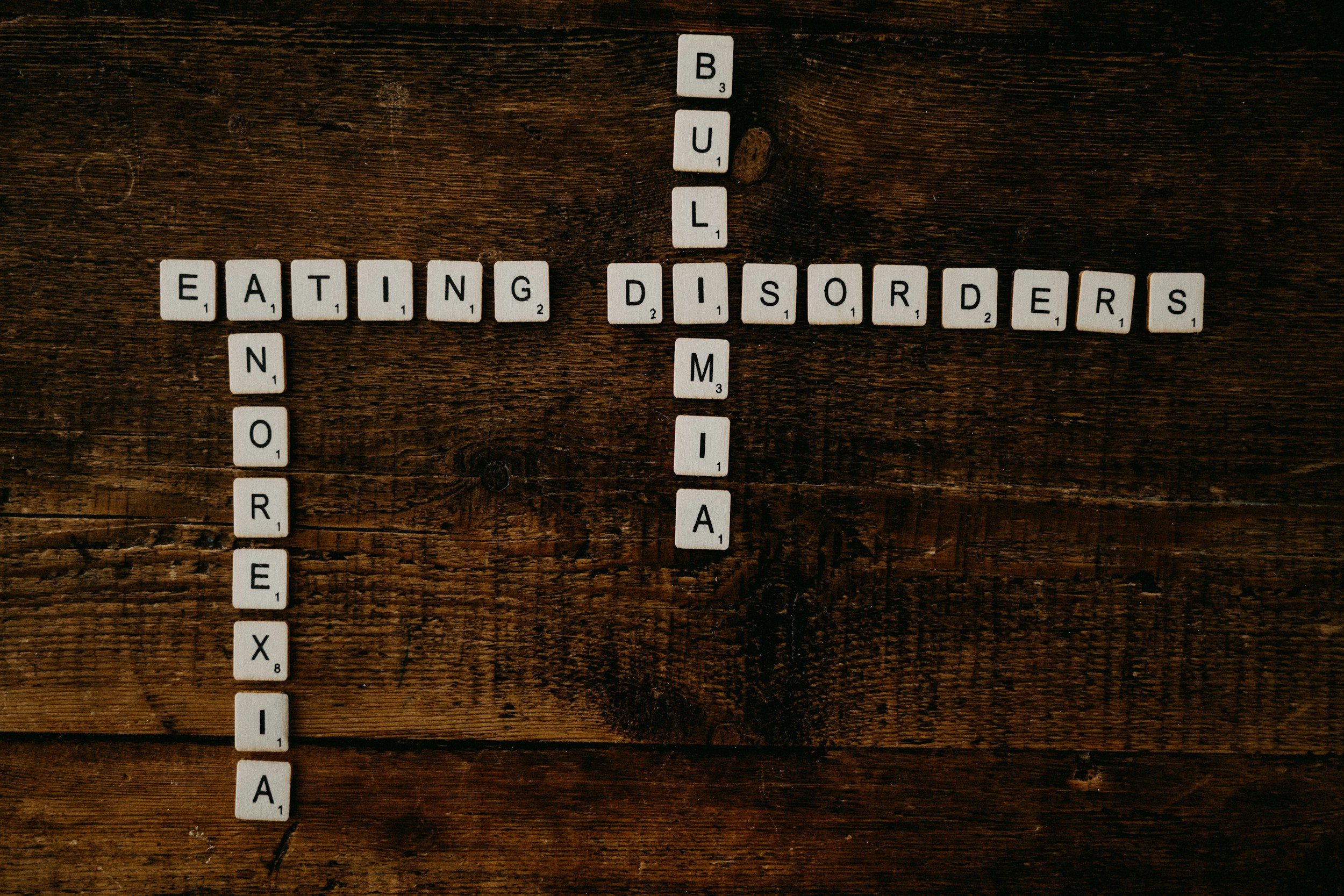
Read MoreEating disorders are complex mental health conditions that affect millions of people across the globe, regardless of age, gender, or background. They involve more than food—they are deeply rooted in emotional and psychological challenges. Understanding these disorders and the available treatment options is a crucial step in fostering empathy, reducing stigma, and encouraging healing.
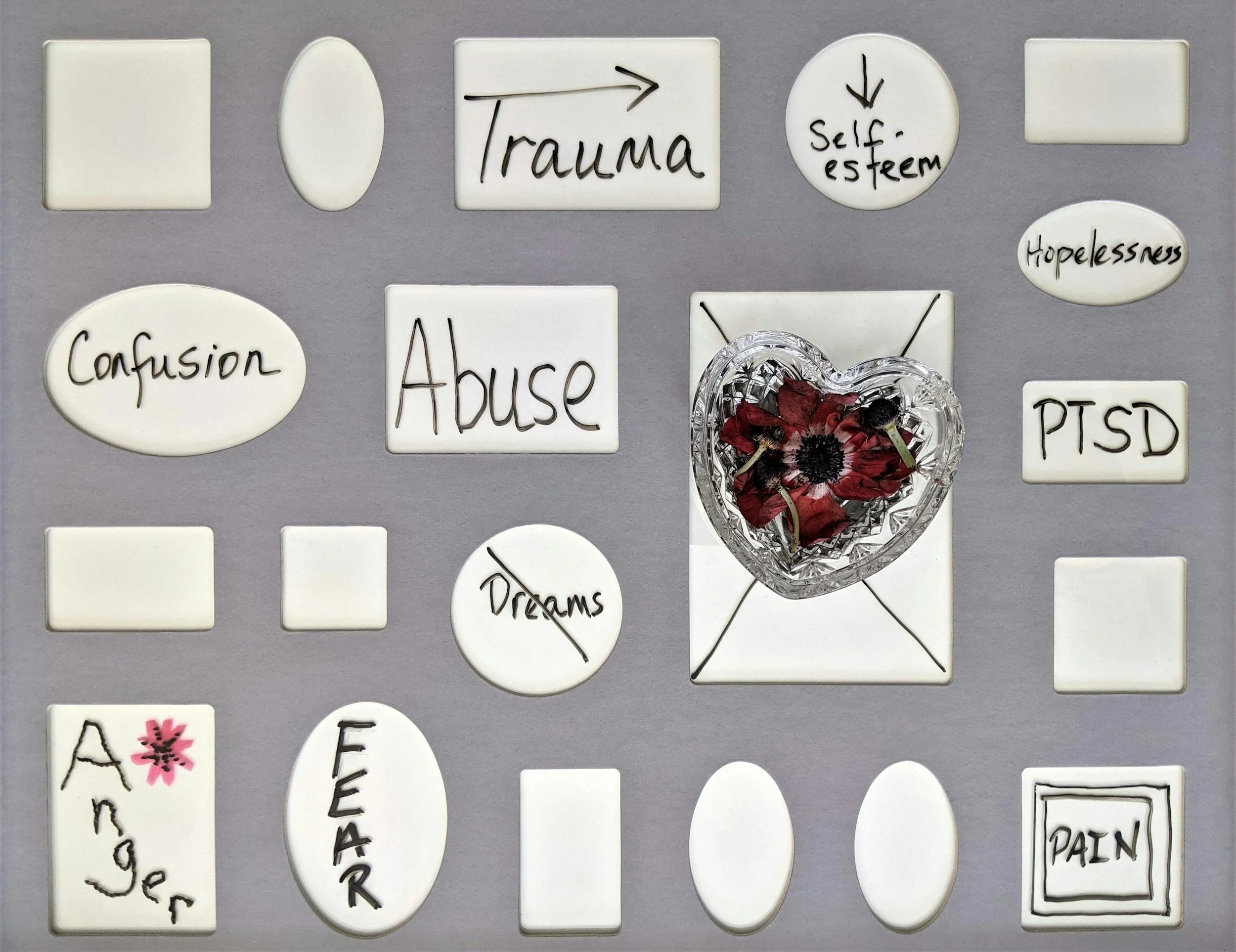
Read MorePost-Traumatic Stress Disorder (PTSD) has long been misunderstood, often relegated to the realms of war veterans or survivors of major disasters. But PTSD is far more widespread and complex. It's a mental health condition that can affect anyone who experiences—or even witnesses—deeply traumatic events. Thanks to advances in neuroscience and psychology, we now understand PTSD as not just a mental struggle, but a profound disruption of how the brain and body process danger, memory, and emotion.
Read MoreBinge Eating Disorder (BED) is more than just overeating. It's a serious mental health condition characterized by recurrent episodes of consuming large quantities of food—often quickly and to the point of discomfort—while feeling a lack of control during the episode. Unlike bulimia, BED is not followed by purging, making it the most common eating disorder in the United States.
Read MoreChildhood Complex PTSD can leave a lasting mark on the brain, affecting everything from emotional regulation to memory, decision-making, and sense of self. But with increased awareness, supportive environments, and effective therapies, those affected can move toward recovery, resilience, and reconnection with their true selves.
Read MoreGrief is one of life’s most universal — yet deeply personal — experiences. Whether you've lost a loved one, a relationship, a pet, or a part of your identity, the process of mourning is rarely linear and never easy. While time may soften the edges, healing from loss requires more than just waiting it out.
This post is a guide to understanding grief and bereavement — and practical ways to support your healing journey.
Grief is a natural emotional response to loss. It can involve a wide range of emotions: sadness, anger, guilt, numbness, even relief. There’s no right or wrong way to grieve, but understanding the process can help you feel less alone in it.
Psychologist Elisabeth Kübler-Ross famously outlined five stages of grief: denial, anger, bargaining, depression, and acceptance. While helpful, not everyone experiences these stages in order — or even experiences all of them.
Grief is the internal experience — the emotional, mental, and physical reactions.
Bereavement is the state of having lost someone. It often triggers grief.
Recognizing the distinction helps frame grief as a process within the broader context of mourning.
Give yourself permission to feel whatever arises — sadness, numbness, even moments of joy. Avoiding emotions only delays the process. Grief is not a sign of weakness; it’s a sign of love.
“The only cure for grief is to grieve.” – Earl Grollman
Expressing your feelings out loud — to a trusted friend, support group, or therapist — helps externalize the pain. Silence can deepen isolation. Sometimes, simply saying “I’m not okay” is a powerful act of healing.
Rituals help mark the significance of your loss. Whether it’s lighting a candle on birthdays, creating a memory box, or planting a tree, these acts provide structure and meaning.
Grief is exhausting. Prioritize sleep, hydration, and gentle movement. Even a short walk or nourishing meal can make a difference in stabilizing your nervous system.
Therapists trained in grief counseling can help unpack complex emotions, especially if your grief feels stuck or overwhelming. In cases of complicated grief — when symptoms persist intensely for more than 12 months — professional support is especially important.
Resources to explore:
Grief counseling or therapy
Hospice bereavement services
Online support communities (e.g. Grieving.com, Reddit’s r/GriefSupport)
Books such as "The Grief Recovery Handbook" or "It’s OK That You’re Not OK"
There’s no timeline for grief. Some days will feel okay; others will not. That’s normal. Healing is not about forgetting, but learning how to carry the loss with you as you move forward.
Consider reaching out to a mental health professional if:
You feel numb or disconnected for a prolonged period.
You have thoughts of harming yourself.
Your grief interferes with daily life for months on end.
You feel stuck in intense anger, guilt, or despair.
Grief doesn't need to be something you go through alone.
Healing from grief is not about “getting over it” — it’s about finding ways to live with the loss. That may mean redefining your identity, your beliefs, or your relationships. It’s a slow, sacred process — one that deserves gentleness and support.
If you're grieving, take heart: your pain is real, but so is your capacity to heal. In time, the love you carry can become a source of strength, rather than sorrow.
Post-traumatic stress disorder (PTSD) can feel like an invisible weight, triggered by past trauma and carried into daily life. It affects how you think, feel, and interact with the world. Whether you’re newly diagnosed or have been coping for years, managing PTSD-related symptoms is possible — and healing is achievable. Here’s a comprehensive guide to help you navigate the journey.
Read More